


Nov 30-2022
The Role of Green Tea Extract in Skin Care Products
READ MORE >
Milk thistle seeds are widely used in herbal raw materials, tea blends, dietary supplement ingredients, botanical extracts, and nutraceutical manufacturing. For importers, distributors, tea brands, and herbal product manufacturers, choosing the right batch is not only about price. Real milk thistle seeds should match the correct botanical source, show stable physical characteristics, and come with proper quality documentation.
This guide explains how to identify real and high-quality milk thistle seeds, how to spot fake or low-grade materials, and what B2B buyers should check before placing a bulk order. Herbal Vitae supplies selected milk thistle seeds wholesale for customers who need reliable botanical raw materials with stable sourcing, sorting, packaging, and quality control.
Real milk thistle seeds come from Silybum marianum, also known as Semen Cardui Mariae. In botanical terms, what the market commonly calls “seeds” are actually the mature dried fruits of the plant. They are used as herbal raw materials for extract production, supplement ingredients, tea-related applications, and other botanical product formulations.
A genuine milk thistle seed batch should meet three basic requirements:
Correct botanical identity: Silybum marianum.
Correct plant part: mature dried fruit or seed material.
Clean post-harvest processing: removed pappus, low impurity level, no mildew, no rancid odor, and stable color.
For buyers sourcing dried milk thistle seeds, visual inspection is useful, but it should not be the only quality standard. Appearance, smell, origin, moisture control, impurity rate, and lab test documents should be reviewed together.
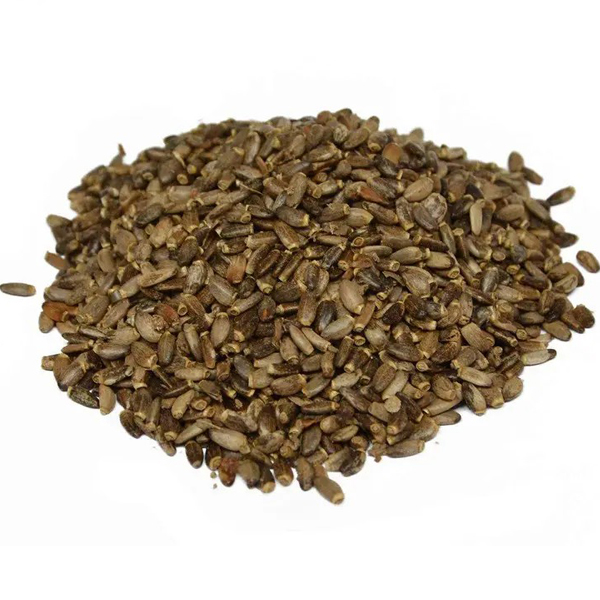
Real milk thistle seeds are usually elongated, slightly oval, compressed, smooth, and shiny. Their color may range from pale greyish brown to brown, dark brown, glossy brown, or nearly black with natural streaks. Slight color variation is normal because growing region, maturity, drying method, and storage conditions can all affect the final appearance.
In many recognized descriptions, mature milk thistle fruits are approximately 6–8 mm long, around 3 mm wide, and about 1.5 mm thick. Another useful bulk reference is thousand-seed weight, which is commonly reported at around 20–30 g depending on genotype and cultivation conditions.
A good batch should look naturally uniform, but not artificially identical. Overly polished, unusually bright, dyed-looking, or mixed-color materials may require closer inspection.
Inspection Point | Real / High-Quality Milk Thistle Seeds | Fake or Low-Quality Materials |
Botanical identity | From Silybum marianum | Mixed with unknown seeds or wrong botanical species |
Shape | Elongated, oval, compressed, smooth surface | Irregular, broken, shriveled, or heavily mixed shapes |
Color | Natural grey-brown, brown, dark brown, or glossy brown with streaks | Unnaturally bright, dusty, faded, dyed, or unevenly mixed |
Odor | Mild natural seed odor, no rancidity | Musty, sour, smoky, chemical, or rancid odor |
Pappus and impurities | Pappus mostly removed, low foreign matter | Many stems, dust, stones, pappus, broken seeds, or plant debris |
Moisture condition | Dry, clean, suitable for storage | Damp, clumped, moldy, or prone to insect damage |
Documentation | COA, test report, botanical identification, batch details | No test report, vague origin, or unclear product name |
Supplier reliability | Stable sourcing, sorting, packing, and export support | Unstable batches, only price-based offer, no traceability |
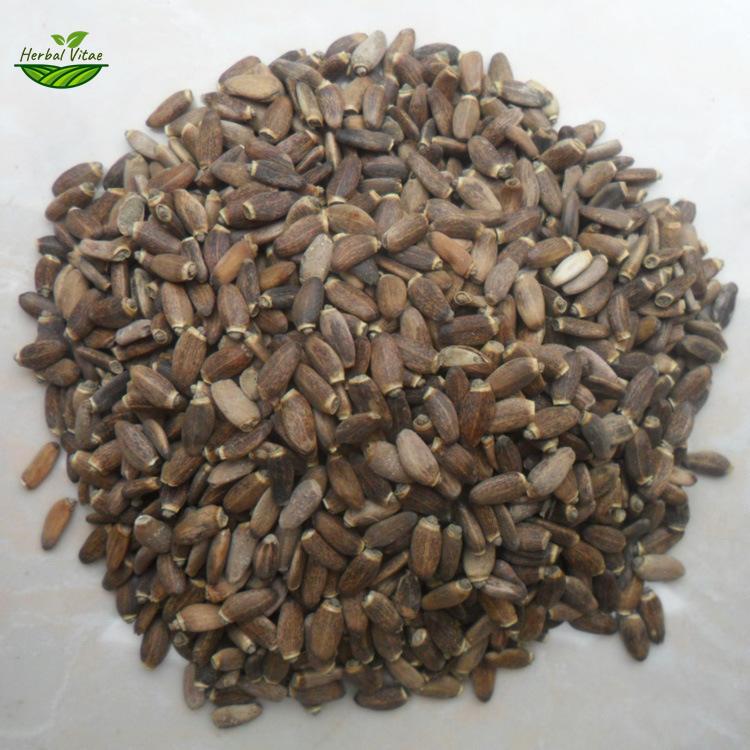
The most common problem is not always “fake” in the obvious sense. In bulk trade, buyers often face adulteration, mixed batches, immature seeds, old stock, excessive impurities, or poorly dried materials. These issues can reduce extraction yield, affect sensory quality, and create problems during downstream processing.
Watch for these warning signs:
The seeds are too small, too light, or too inconsistent in shape.
The batch contains many foreign seeds, dust, pappus, stones, stems, or broken pieces.
The color looks artificially uniform or unnaturally dyed.
The smell is musty, moldy, sour, or oily-rancid.
The material clumps together, suggesting high moisture or poor storage.
The supplier cannot provide the Latin name, plant part, origin, batch number, or basic test report.
The price is far below the normal market range without a clear reason.
Low-quality materials may still look acceptable in product photos. For international procurement, buyers should request close-up images, batch samples, and quality documents before confirming a larger shipment.
Milk thistle is valued mainly because of its naturally occurring flavonolignan complex known as silymarin. For extract manufacturers, supplement companies, and herbal raw material buyers, silymarin content is one of the key indicators of raw material value.
Some public pharmacopoeial references require milk thistle to contain not less than 1.5% w/w silymarin, calculated on a dried basis. This does not mean every buyer needs the same specification, but it shows why botanical identity and active-compound testing matter.
For tea brands, the evaluation may focus more on cleanliness, appearance, odor, drying quality, and regulatory suitability. For extract factories, buyers should pay more attention to silymarin assay, impurity level, pesticide residues, heavy metals, and microbial limits.
A practical B2B inspection process should include both visual and document-based checks. Before placing a bulk order, buyers can use the following steps:
Confirm the Latin name
Ask the supplier to confirm Silybum marianum and the correct plant part. Avoid vague names such as “thistle seed” without botanical confirmation.
Request a representative sample
The sample should match the real bulk batch, not a specially selected display sample. Check size, color, smell, dryness, and impurity level.
Check impurity and cleaning level
Good materials should have low foreign matter and should not contain excessive pappus, stems, dust, broken pieces, stones, or unrelated seeds.
Review the COA and test items
Depending on your market, ask for moisture, ash, impurity, pesticide residues, heavy metals, microbial limits, and silymarin assay where applicable.
Ask about packaging and storage
For bulk shipments, packaging should protect the seeds from moisture, heat, light, and contamination. Herbal Vitae commonly supports 25–40KG carton or woven bag packaging for milk thistle seeds.
Evaluate supplier consistency
One good batch is not enough for long-term business. Importers and manufacturers should work with suppliers that can provide stable sourcing, batch traceability, documentation, and repeatable quality.
When sourcing herbs raw material, price should not be the only decision factor. Low-cost milk thistle seeds may lead to hidden costs such as poor extraction yield, rejected shipments, unstable tea blend quality, failed customer inspection, or extra sorting work after arrival.
A reliable supplier should be able to explain where the raw material comes from, how it is selected, how it is dried, how impurities are removed, and how each batch is packed and inspected. Herbal Vitae focuses on dried herbs raw material, dried tea herbs, herb powder, and herbal extracts, helping B2B customers source botanical ingredients for food, beverage, supplement, cosmetic, and health product applications.
Before confirming an order, use this quick checklist:
Buyer Question | Why It Matters |
Is the Latin name Silybum marianum clearly stated? | Confirms botanical identity |
Is the plant part listed as fruit or seed? | Avoids wrong plant-part substitution |
Are the seeds mature, dry, and clean? | Supports better storage and processing |
Is there any musty, rancid, or chemical odor? | Helps detect old or contaminated stock |
Is the pappus mostly removed? | Indicates proper cleaning |
Are test reports available? | Supports import and production compliance |
Is packaging suitable for sea, air, or express delivery? | Reduces logistics and storage risk |
Can the supplier provide repeat batches? | Important for long-term brand stability |
Real milk thistle seeds are usually elongated, oval, compressed, smooth, and naturally grey-brown to dark brown. They may have darker streaks and a slightly glossy surface. A natural batch can have some color variation, but it should not contain excessive foreign seeds, dust, mold, or broken material.
In the herbal raw material market, “milk thistle seeds” usually refers to the dried mature fruit of Silybum marianum. Many suppliers and buyers use the term “seed” because it is easier to understand commercially, while botanical and pharmacopoeial descriptions may use “fruit” or “achene.”
No. Photos can help you check color, shape, and impurity level, but they cannot confirm moisture, microbial status, pesticide residues, heavy metals, or silymarin content. For bulk purchasing, always request a sample and relevant quality documents.
Price differences may come from origin, harvest season, seed maturity, cleaning level, impurity rate, test requirements, packaging method, order quantity, and market supply. Very low prices may indicate old stock, mixed materials, poor sorting, or missing documentation.
Depending on your market and application, you may request COA, botanical identification, batch number, origin information, moisture test, impurity test, pesticide residue report, heavy metal report, microbial test, and silymarin assay. Importers should also check local regulatory requirements before purchase.
Milk thistle seeds can be used in some herbal tea and botanical blend applications, but product positioning and claims should follow local regulations. For tea brands, cleanliness, odor, appearance, and proper drying are especially important. For functional extract or supplement use, active-compound testing becomes more important.
Real milk thistle seeds should come from Silybum marianum, show the correct mature seed appearance, remain dry and clean, have no rancid or moldy odor, and be supported by proper batch documentation. Fake or low-quality materials often show problems such as mixed seeds, high impurity level, poor drying, unclear origin, unstable color, or missing test reports.
For B2B buyers looking for stable milk thistle seeds wholesale, Herbal Vitae can support selected bulk botanical materials, including dried milk thistle seeds and related herbal ingredients for tea, extract, supplement, and natural product applications. Send your target specification, quantity, destination market, and testing requirements to Herbal Vitae for a suitable sourcing recommendation.
