


Sep 13-2022
Hazelnuts Are the Good Nutritional Supplement for the Mental Workers
READ MORE >
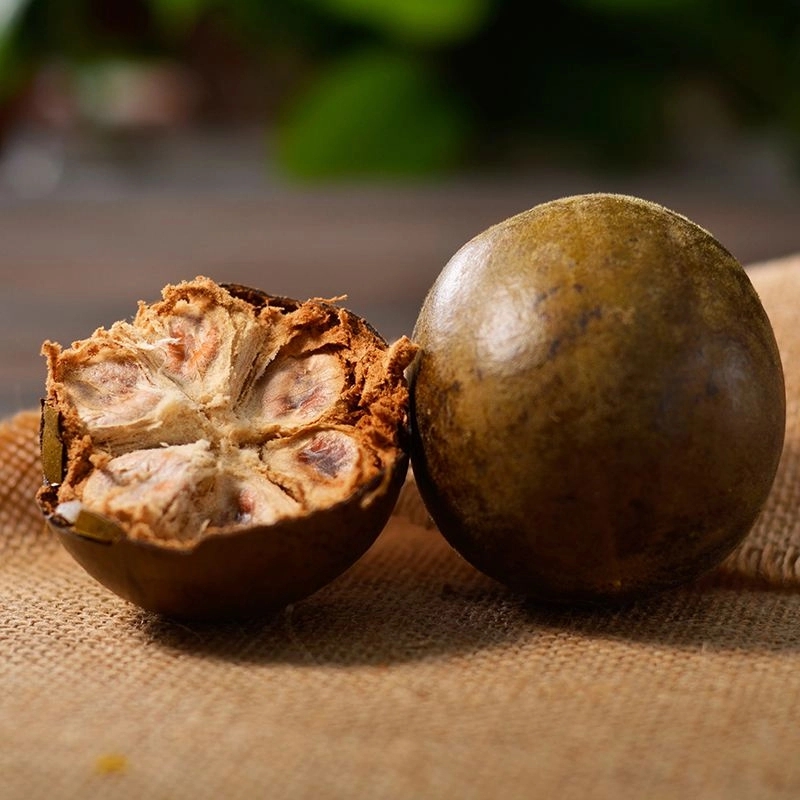
Monk fruit is not only a common tea, but also a very good Chinese herbal medicine. It is mainly used for the treatment of chronic pharyngitis, dry and itchy throat and dry coughing. So what other benefits does monk fruit have?
1. Nourishing the lungs and relieving cough
Monk fruit is sweet and cool in nature, and has the effects of clearing away heat and moistening the lungs, resolving phlegm and relieving cough. It can improve the symptoms of coughing with yellow sputum and sore throat. It has certain therapeutic effects on acute bronchitis, acute tonsillitis, and whooping cough.
2. Lowering blood sugar and blood lipid
Monk fruit contains a variety of natural hypolipidemic components, such as crude fiber, oleic acid, linoleic acid and other unsaturated fatty acids, which can effectively decompose the fat and reduce fat deposition in the blood, which is beneficial to the prevention and treatment of Cardiovascular and cerebrovascular diseases. At the same time, Monk fruit is also rich in glycosides, which have a good effect on lowering the blood sugar, and can assist in the treatment of diabetes and obesity. It is a food for preventing and treating of hypertension, hyperlipidemia and obesity.
3. Improving human’s immunity
To soak a little onk fruit in boiling water,it is an excellent refreshing drink to improve human’s immunity and prevent respiratory tract infections. Monk fruit juice can also be used for cooking. It is fragrant and delicious, and is known as "fairy fruit".
4. Beauty and skin care, anti-aging
Monk fruit contains a lot of vitamin C, which has a good beauty and skin care effect. In addition, Monk fruit is rich in nutrients, protein and various natural nutrients, which can provide enough energy for the metabolism of the skin. Monk fruit also has a good antioxidant effect. Eating Monk fruit can effectively remove free radicals in the body and achieve the effects of anti-aging and prolonging life.
