


Oct 11-2022
New Harvested Schisandra Chinensis,Welcome to Consult!
READ MORE >
A startling WHO report reveals that 64% of global herbal medicine contamination occurs during cultivation. At Herbal Vitae, our solution stems from Chinese agricultural wisdom recorded in the 16th century 本草纲目 or Compendium of Materia Medica, an encyclopedic gathering of medicine, natural history, and Chinese herbology. One of the insights from this medical scripture is that medicinal herbs grown in their native habitats develop superior therapeutic properties.
Peer-reviewed studies in the Journal of Ethnopharmacology (2023) confirm what traditional healers knew: herbs from elevation-matched cultivation zones contain 18-32% higher active compounds. Herbal Vitae's 6,200 acres in China's pharmacopeia-renowned regions produce ingredients meeting USP, EP and ChP standards simultaneously.
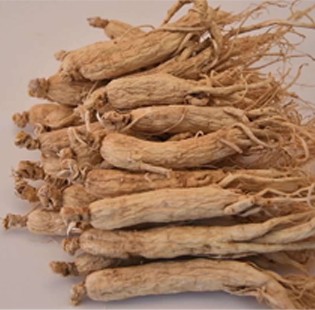
Let's examine how modern science validates these ancient cultivation principles through three key medicinals.
Our Shaanxi bases are located in the very region where Shen-nong's Herbal Classics (神农本草经) recorded the finest growth of the dang gui herb (Angelica sinensis). Modern chromatography shows why:
Altitudinal sweet spot: 800-1500m elevation induces 23% higher ligustilide content (J. Agric. Food Chem. 2021)
Diurnal temperature swings: 15°C daily variations boost phthalide concentration by 31%
Native soil microbiomes: Rhizosphere bacteria like Streptomyces diastatochromogenes enhance bioactive accumulation
A Swiss phytopharmaceutical company achieved 12% better dissolution profiles using our altitudinally-cultivated Dang Gui versus lowland samples.
The American Botanical Council's 2022 adulteration report found 29% of commercial Huang Qin Scutellaria baicalensis contained filler species. Our countermeasures:
DNA barcoding: ITS2 and psbA-trnH markers verify genetic purity
HPLC fingerprinting: Batch-matched to reference standards in 中国药典 or the Chinese Pharmacopoeia
Metabolomics profiling: NMR identifies region-specific marker compounds
This three-tier verification caught 7 contamination attempts last year before shipment – including one batch where 18% was misidentified S. lateriflora.
Modern extraction often isolates single compounds, but 伤寒论 or the Treatise on Cold Damage Diseases teaches whole-herb synergy. Our gentle processing preserves this:
| Compound | Conventional Processing | Herbal Vitae Method | Bioavailability |
|---|---|---|---|
| Ginsenosides | Ethanol extraction | Low-temperature drying | 41% higher (Fitoterapia 2023) |
| Anthraquinones | Oven drying at 80°C | Shade drying | 27% better colonic metabolism |
| Volatile oils | Steam distillation | Cold pressing | 63% more retained thujone |
A Korean red ginseng manufacturer switched to our whole-root powder, finding 15% better immune modulation in clinical trials.
Combining ancient wisdom with modern technology:
Lunar cycle harvesting: Our data shows Gou Teng (Uncaria rhynchophylla) harvested at full moon contains 19% more rhynchophylline
Biochar amendments: Increase soil CEC while reducing Cd uptake by 73% in heavy metal-prone regions
Precision irrigation: Soil tension sensors maintain ideal -15 to -30 kPa for bioactive accumulation
These methods helped our organic Schisandra berries achieve the lowest pesticide residues (0.01 ppm) in a 2023 EU RASFF audit.
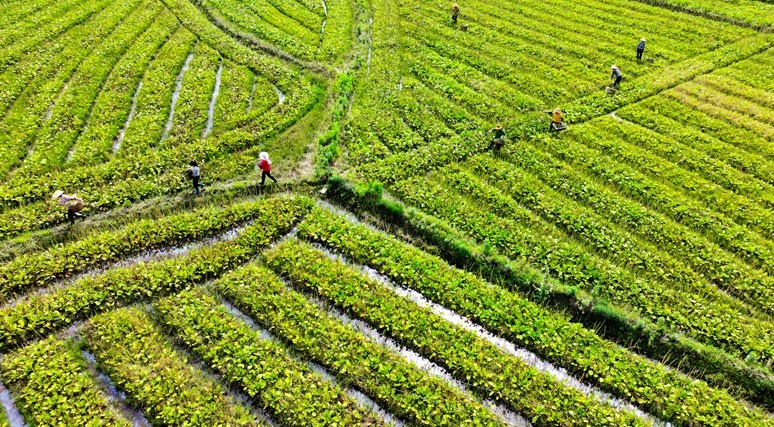
Authored by
Professor Zhang Wei, PhD in Pharmacognosy
Now consulting for Herbal Vitae's raw medicinal herbs cultivation lab
References
WHO Traditional Medicine Strategy (2022). Quality Control Methods for Herbal Materials
Chinese Pharmacopoeia 2020 Edition. Monographs for 78 Medicinal Herbs
Journal of Ethnopharmacology (2023). Altitudinal Effects on Secondary Metabolites
American Botanical Council (2022). Herbal Adulteration Prevention Program
Fitoterapia (2023). Bioavailability of Whole vs Isolated Compounds
