


Jun 14-2023
What is Lingzhi Spores Powder
READ MORE >
Milk thistle is a widely used botanical raw material in herbal tea, dietary supplement, botanical extract, and natural health product industries. However, for B2B buyers, sourcing milk thistle is not only about finding a competitive price. Adulteration, substitution, poor drying, old stock, excessive impurities, and depleted materials can all affect product quality, processing performance, and buyer confidence.
This guide explains the most common milk thistle adulteration issues and how importers, distributors, herbal tea brands, and raw material buyers can identify potential risks before bulk purchasing. For buyers looking for reliable milk thistle seeds wholesale, Herbal Vitae provides selected botanical materials with sourcing, cleaning, packaging, and quality control support.
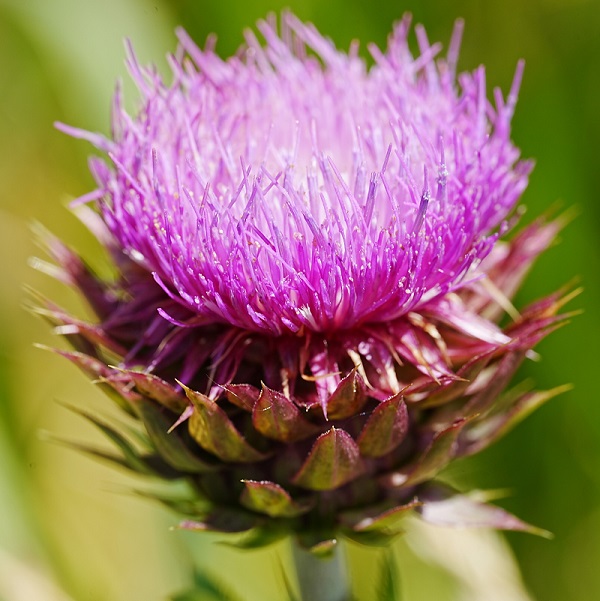
Milk thistle adulteration refers to any situation where the supplied material does not fully match the expected botanical identity, plant part, quality grade, or declared specification. In the raw herb market, adulteration may be intentional or unintentional.
For example, low-quality suppliers may mix real milk thistle seeds with cheaper seeds, foreign plant materials, immature fruits, old stock, or broken pieces. In some cases, the problem is not complete substitution but quality dilution. The batch may still contain milk thistle, but with excessive impurities, poor drying, weak active-compound value, or unclear traceability.
Real milk thistle should come from Silybum marianum. In pharmacopoeial descriptions, milk thistle consists of the dried mature fruit, usually without the pappus. Some public standards also require not less than 1.5% w/w silymarin calculated on a dried basis. This makes botanical identity and batch testing especially important for B2B buyers.
Adulteration Issue | What It Looks Like | Buyer Risk | How to Spot It |
Wrong botanical species | Seeds look different in shape, size, or surface pattern | Product may not match declared material | Confirm Latin name: Silybum marianum |
Mixed foreign seeds | Batch contains seeds with different shapes or colors | Unstable quality and possible compliance risk | Check close-up photos and physical sample |
Excessive pappus, stems, dust, or stones | Visible plant debris and foreign matter | Lower usable yield and extra cleaning cost | Inspect impurity level before order |
Immature or shriveled fruits | Small, light, thin, or poorly developed seeds | Lower raw material value | Compare size, fullness, and batch uniformity |
Old or poorly stored stock | Faded color, rancid smell, insect damage, clumping | Poor sensory quality and storage risk | Smell test, moisture check, storage history |
Depleted or over-processed material | Weak active-compound value or unclear processing history | Poor extraction performance | Request COA and silymarin assay when needed |
Artificial color improvement | Seeds look unusually bright or overly uniform | Misleading appearance | Rub test, visual comparison, lab testing |
Missing documentation | No batch number, COA, origin, or test report | High import and production risk | Work only with traceable suppliers |
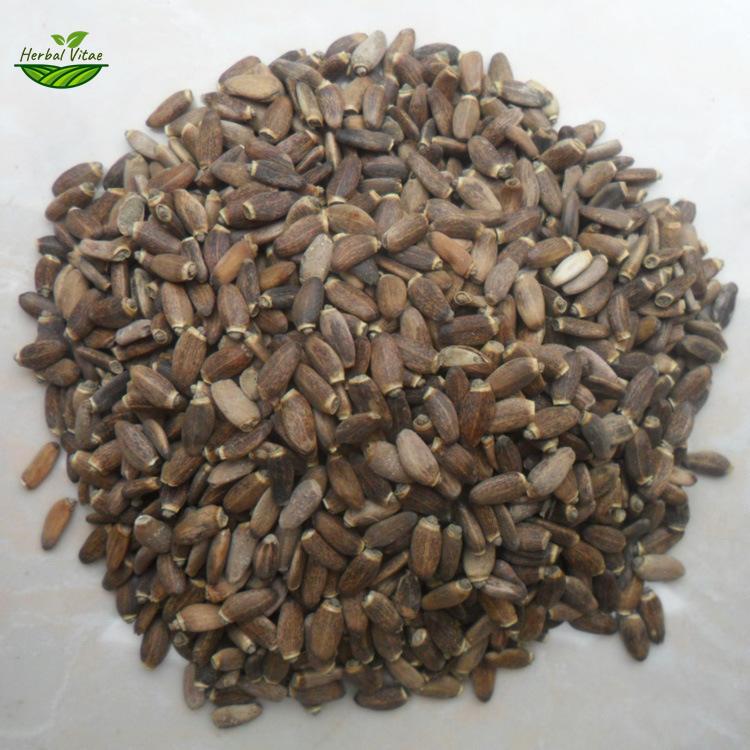
Real Milk Thistle seeds (achenes) are typically elongated, oval to slightly teardrop-shaped, somewhat flattened or compressed on one side, with a smooth surface that appears naturally glossy or shiny when fresh and mature.
Color: They range from greyish-brown to dark brown, blackish-brown, often with lighter mottled patterns, streaks, or a pale/yellowish ring or spot near the apex (tip). Natural color variation within a batch is common due to different ripening stages, but the overall batch should look consistent — avoid seeds that are uniformly dull, very light-colored, or have excessive green/immature tones.
A practical reference is that milk thistle seeds commonly have a thousand-seed weight of around 20–30 g, depending on genotype and growing conditions. This does not replace testing, but it helps buyers understand whether the material looks unusually light, immature, or poorly developed.
When checking a sample, pay attention to:
Whether most seeds share a similar elongated shape.
Whether foreign seeds are visible.
Whether there are too many broken pieces or powder.
Whether the surface looks naturally glossy rather than dyed.
Whether the batch smells clean, mild, and natural.
Whether there is any mold, clumping, insect damage, or rancidity.
Milk thistle seeds wholesale requires careful verification. A reliable supplier should support quality checks. Follow this practical checklist:
1. Confirm the Botanical NameMake sure the supplier uses the correct Latin name Silybum marianum. Avoid vague names like “thistle seed” or “liver herb.”
2. Verify the Plant PartThe product should be the dried mature fruits (seeds). Good suppliers clearly confirm they are providing the right part, not leaves or stems.
3. Request Representative SamplesAsk for samples from the actual batch (with photos). Compare the sample carefully before shipment.
4. Check Moisture and StorageSeeds should be properly dried (moisture ideally under 12%). Clumpy or musty-smelling seeds risk mold during shipping.
5. Assess Impurity LevelsLook for excessive dust, stems, broken pieces, or foreign matter. High impurities reduce usable yield and increase costs.
6. Review Test ReportsRequest COA, silymarin content, heavy metals, pesticides, and microbial tests — especially for supplement or export use.
7. Evaluate TraceabilityReliable suppliers provide clear details on origin, harvest time, processing, and batch information.
Quality Check | Acceptable Material | Risky Material |
Latin name | Clearly declared as Silybum marianum | No Latin name or vague product name |
Appearance | Elongated, oval, mature, naturally brown | Mixed, shriveled, broken, dusty |
Odor | Mild natural seed odor | Musty, sour, smoky, rancid |
Moisture | Dry and free-flowing | Damp, clumped, mold-prone |
Foreign matter | Low impurity level | Many stems, stones, pappus, dust |
Documentation | COA and batch details available | No test report or unclear origin |
Packaging | Moisture-protective bulk packing | Thin, damaged, or unsuitable bags |
Supplier support | Stable batches and clear communication | Only low price, weak traceability |
In B2B procurement, milk thistle quality should be judged by consistency, documentation, and usability—not just appearance. A professional supplier helps reduce risk before the goods enter your production line.
Herbal Vitae supports buyers with selected dried herbs, herbal tea materials, herb powder, and botanical extracts. For milk thistle procurement, the company can help customers evaluate raw material requirements based on intended use, such as herbal tea blending, extract manufacturing, dietary supplement ingredients, and natural product development.
For importers and manufacturers, this means fewer uncertainties in sourcing, packaging, sample approval, and repeat orders.
The most common problem is not always complete substitution. More often, buyers face mixed batches, excessive impurities, immature seeds, poor drying, old stock, or materials with unclear origin and missing documentation.
Appearance is helpful but not enough. Visual inspection can reveal foreign seeds, dust, mold, broken pieces, or poor maturity, but it cannot confirm active compounds, pesticide residues, heavy metals, or microbial status. Testing is recommended for bulk and regulated applications.
Silymarin is the key flavonolignan complex associated with milk thistle raw material value. For extract and supplement applications, silymarin assay helps buyers evaluate whether the material can meet processing or product specifications.
Not always, but unusually low prices should be checked carefully. Low prices may come from old stock, high impurity level, poor sorting, mixed materials, or missing test documents. Buyers should compare usable yield, not only the quoted price per kilogram.
Common documents include COA, botanical identification, origin information, batch number, moisture test, impurity data, pesticide residue report, heavy metal report, microbial test, and silymarin assay if required by the final application.
Work with a supplier that can provide samples, batch photos, quality documents, clear Latin name, suitable packaging, and repeat supply capability. For large orders, pre-shipment inspection or third-party testing can also help reduce risk.
Milk thistle adulteration can appear in many forms, including wrong species, mixed foreign seeds, immature material, excessive impurities, poor drying, old stock, or undeclared depleted material. For B2B buyers, the best way to reduce risk is to combine visual inspection, sample review, supplier traceability, and quality testing.
Herbal Vitae supplies dried milk thistle seeds and related botanical raw materials for buyers seeking stable milk thistle seeds wholesale solutions. If you are sourcing milk thistle for herbal tea, extracts, supplements, or natural product manufacturing, share your target specification, order quantity, and destination market with Herbal Vitae for a suitable raw material recommendation.
