

BOTANICAL INGREDIENT QUALITY & PROCUREMENT GUIDE
A botanical extract Certificate of Analysis (COA) may look reassuring at first glance. It contains a product name, several test results and often the word "Pass." But does that mean the ingredient is suitable for your formulation or purchasing specification?
Not necessarily. A reliable purchasing decision requires buyers to understand what was tested, which limits were applied, how results were measured and whether the document represents the actual material being supplied.
This guide explains how to read a botanical extract COA step by step, using an illustrated example and practical checks for HPLC marker assays, botanical identity, heavy metals, microbial contamination, pesticide residues and residual solvents.
Quick Answer: How Do You Check a Botanical Extract COA?
Start by matching the product name, botanical species and batch number to the material being purchased.
Next, compare each Specification with its corresponding Result. Check the units, analytical method and whether a numeric result or a meaningful detection limit is provided.
Finally, verify that the testing scope covers the risks relevant to your application and that the document can be traced to the actual supply lot. A COA marked "Pass" is not a substitute for supplier qualification or any independent verification required by applicable regulations.
What Is a Botanical Extract Certificate of Analysis?
A Certificate of Analysis is a document reporting selected characteristics of a product or material. For a botanical extract, it may include identity, appearance, marker-compound content, physical properties and specified contamination tests.
A COA is most useful when it identifies a particular batch and shows how that batch was evaluated against a defined specification. It is not the same as a general product specification sheet, a safety data sheet or an unrelated laboratory report.
Product Specification Sheet
Describes the intended product characteristics and acceptance limits. It tells buyers what the product is supposed to meet, but does not by itself prove that a specific lot was tested and passed.
Batch Certificate of Analysis
Reports results associated with a specified batch. A useful COA links the results to the actual material and identifies the applicable methods and limits.
Safety Data Sheet (SDS)
Communicates hazard, handling and safety information for a substance or mixture. It does not replace a batch COA or establish that a botanical marker meets the required assay specification.
The U.S. FDA explains that, under applicable dietary supplement CGMP requirements, a supplier COA relied upon for component specification verification must include the test methods, test limits and actual results. See FDA guidance on dietary supplement CGMP.
Example Botanical Extract COA: How to Read Each Column
The example below demonstrates how a quality-control team might review a botanical extract certificate. All product identifiers, numerical limits and results are fictional and included only to explain the document structure.
TRAINING EXAMPLE ONLY — NOT A REAL CERTIFICATE
Illustrative Certificate of Analysis
This demonstration does not represent a Herbal Vitae product, tested batch or approved specification.
PRODUCT
Example Botanical Extract
BATCH NUMBER
DEMO-LOT-001
REPORT TYPE
Illustrative QC Training Record
| Test Item | Specification | Actual Result | Method | Review |
|---|---|---|---|---|
| Marker Compound A | NLT 2.0% | 2.4% | HPLC-UV | Within limit |
| Loss on Drying | NMT 5.0% | 3.8% | Gravimetric method | Within limit |
| Lead (Pb) | NMT 1.0 mg/kg | 0.18 mg/kg | ICP-MS | Within limit |
| Residual Ethanol | NMT 1,000 ppm | 180 ppm | GC-FID | Within limit |
| Total Aerobic Count | NMT 10,000 CFU/g | 280 CFU/g | Culture-based method | Within limit |
| Salmonella | Absent in 25 g | Not detected in 25 g | Validated microbiological method | Within limit |
| Pesticide Residue Panel | According to agreed panel | "Complies" | Not listed | Needs review |
Important: The pesticide entry is intentionally incomplete. "Complies" is not enough to identify which pesticides were tested or what limits and methods were used. The reviewer should request the relevant supporting report before treating the panel as verified.
NLT = Not Less Than; NMT = Not More Than; CFU/g = Colony-Forming Units per Gram. All limits shown above are hypothetical examples, not universal regulatory limits or Herbal Vitae specifications.
Specification, Result and Test Method: The Three Columns That Matter Most
The most common mistake is looking only at the Result column. An individual number becomes useful only when it is compared with the correct specification and supported by a suitable method.
Specification: What Must the Product Meet?
The Specification column states the acceptance criterion. For example, "NLT 2.0%" means the measured content must be at least 2.0% on the stated reporting basis.
A specification must be appropriate for the ingredient and agreed purchasing requirements. A limit used by one supplier is not necessarily suitable for every application or market.
Result: What Was Actually Measured?
The Result column should report the outcome for the relevant batch. A value such as 2.4% can be evaluated against an NLT 2.0% requirement. But a generic word such as "Pass" provides less information unless the result and associated test records can be reviewed.
Method: How Was the Result Obtained?
The method identifies the analytical technique or procedure. Examples include HPLC for selected botanical marker compounds, ICP-MS for trace elements and GC-based methods for relevant volatile residual solvents. The suitability of each method depends on the analyte, sample matrix and testing purpose.
First Check: Does the COA Belong to the Batch You Are Buying?
A technically impressive report has limited purchasing value if it cannot be linked to the material being supplied. The buyer should compare the COA with the supplier's product specification, quotation and shipment records.
Match These Document Details
Product Identity: Product name, scientific botanical name and relevant plant part.
Batch Number: The lot identifier on the COA should match the supplied material.
Production and Testing Dates: Check whether the document is current and relevant to the batch.
Issuer and Laboratory: Identify who issued the certificate and which organization performed each test.
Document Status: Confirm whether it is a batch-specific COA, an example report, a specification sheet or an amended certificate.
Example: If the offered material is Batch LB-026A but the COA identifies Batch LB-025B, do not assume the older report applies to the new shipment. Ask the supplier for the correct batch record or an appropriate explanation.
How to Interpret HPLC Marker Compound Results
Botanical extracts contain complex mixtures of naturally occurring substances. HPLC is commonly used to separate and measure selected compounds, but a COA must identify the specific analyte and the result being reported.
The term "HPLC tested" is incomplete without additional information. A chromatographic method used to quantify one marker does not automatically confirm the plant species, extraction process or all other constituents.
Four Questions to Ask About an HPLC Assay
01 / ANALYTE
What compound is measured?
Identify the specific marker or defined marker group. Avoid treating different compounds as equivalent.
02 / BASIS
How is the percentage reported?
Determine whether the result refers to the finished powder, native extract or material on a dry basis.
03 / METHOD
Is the method suitable?
Check for a defined method and appropriate reference standards for the sample and analyte.
04 / LIMIT
Does the result meet the agreed limit?
Compare the actual value with the product specification using the same units and reporting basis.
A Real Botanical Purchasing Problem: One Marker, Different Meanings
For Rhodiola extracts, "rosavin" and "total rosavins" are not necessarily identical analytical definitions. For lemon balm extracts, an HPLC method might target a specific phenolic marker, but its presence in the plant does not prove that the offered extract has a particular standardized content. Always read the exact analyte name on the certificate.
Understanding COA Units: %, ppm, mg/kg, ND, LOD and LOQ
Incorrect unit interpretation can make a suitable ingredient appear unsuitable, or allow an unacceptable result to be overlooked. Always compare results and limits expressed on the same basis.
| Term | Meaning for a COA Review |
|---|---|
| % | Percentage of a defined substance or property, on the specified basis. |
| ppm | Parts per million. For a mass-based result in a solid sample, 1 ppm corresponds to 1 mg/kg. |
| CFU/g | Colony-forming units per gram, commonly used in microbiological counts. |
| ND | Not detected under the stated test conditions. ND does not mean an absolute concentration of zero. |
| LOD | Limit of detection: the lowest level distinguishable from the background by the method under defined conditions. |
| LOQ | Limit of quantitation: the lowest level that can be quantified with suitable performance under the defined method. |
Example: Why Detection Limits Matter
Imagine a buyer requires a contaminant result below 0.10 mg/kg. A report simply stating "ND" does not provide enough information if the detection limit is unknown.
Case A: "ND" with a method detection limit of 0.50 mg/kg does not establish that the result is below the buyer's 0.10 mg/kg requirement.
Case B: A properly reported result below 0.05 mg/kg, supported by an appropriate method, provides more useful evidence for that requirement.
These are hypothetical examples. The actual method's detection and quantitation limits, reporting rules and decision criteria must be considered.
How to Review Heavy Metals, Microbiology, Pesticides and Residual Solvents
Different botanical extracts present different quality risks. A COA should address the parameters relevant to the botanical source, manufacturing process, intended application and destination market. A generic set of tests cannot automatically replace a product-specific risk assessment.
CONTAMINANT CATEGORY 01
Heavy Metals and Elemental Impurities
Commonly evaluated elements include lead (Pb), cadmium (Cd), arsenic (As) and mercury (Hg), depending on the applicable requirements. Results may be reported in mg/kg or ppm, using a validated method such as ICP-MS.
Buyers should verify the specific element measured, reporting unit and relevant limit. A general "total heavy metals" entry may not provide enough information when individual element limits apply. Arsenic speciation may also be relevant in some product categories.
CONTAMINANT CATEGORY 02
Microbiological Quality
Microbiological testing may include total aerobic counts, yeast and mold counts and relevant pathogen tests. The necessary testing scope depends on the ingredient type and intended use.
A quantitative result such as 280 CFU/g cannot be compared directly with a pathogen result reported as "Absent in 25 g." These are different analytical questions with different acceptance criteria.
CONTAMINANT CATEGORY 03
Pesticide Residues
Pesticide residue screening may involve a multi-residue panel using techniques such as LC-MS/MS or GC-MS/MS. However, the number of pesticides tested and the applicable limits may differ substantially between reports.
If a COA simply says "Pesticides: Pass," ask which analytes were included, what methods were used and which market-specific limits were applied. A report for one jurisdiction may not automatically satisfy the requirements of another.
CONTAMINANT CATEGORY 04
Residual Extraction Solvents
Botanical extracts may be produced using water, ethanol or other extraction solvents. Where organic solvents are relevant, residual solvent controls should be based on the actual manufacturing process and the requirements applicable to the finished ingredient.
The reviewer should identify which solvents were tested, whether the method is suitable and whether the results meet the agreed limits. A statement such as "Residual Solvents: Complies" is less informative without supporting method and scope details.
Pharmaceutical reference: ICH Q3C(R9) Guideline for Residual Solvents. This guideline is developed for pharmaceutical applications; it should not be treated as a universal solvent limit for all food or cosmetic botanical ingredients.
Seven Botanical Extract COA Red Flags Buyers Should Not Ignore
A COA does not have to follow one universal visual format, but missing or inconsistent information can make the report difficult to rely on. The following issues deserve clarification before purchasing approval.
The certificate may describe a different production lot or a general sample rather than the actual material offered.
The document does not clearly show the measured value or the test evidence required for the intended review.
A result without a method reference is harder to evaluate and compare with another supplier's report.
The certificate reports "active ingredients" without identifying the exact compound, group of compounds or reporting basis.
The result may be insufficient to establish compliance with a particularly low customer limit.
The certificate does not say which substances were measured, although the purchasing requirement calls for specific testing.
The species or plant part does not match the ordered ingredient, or appropriate identity evidence is unavailable.
These are reasons for further review, not automatic proof that a supplier is dishonest or a product is adulterated.
Different Botanical Extracts Require Different COA Questions
Botanical extract specifications are not interchangeable. A meaningful COA review depends on the particular plant and the attribute the buyer needs to verify.
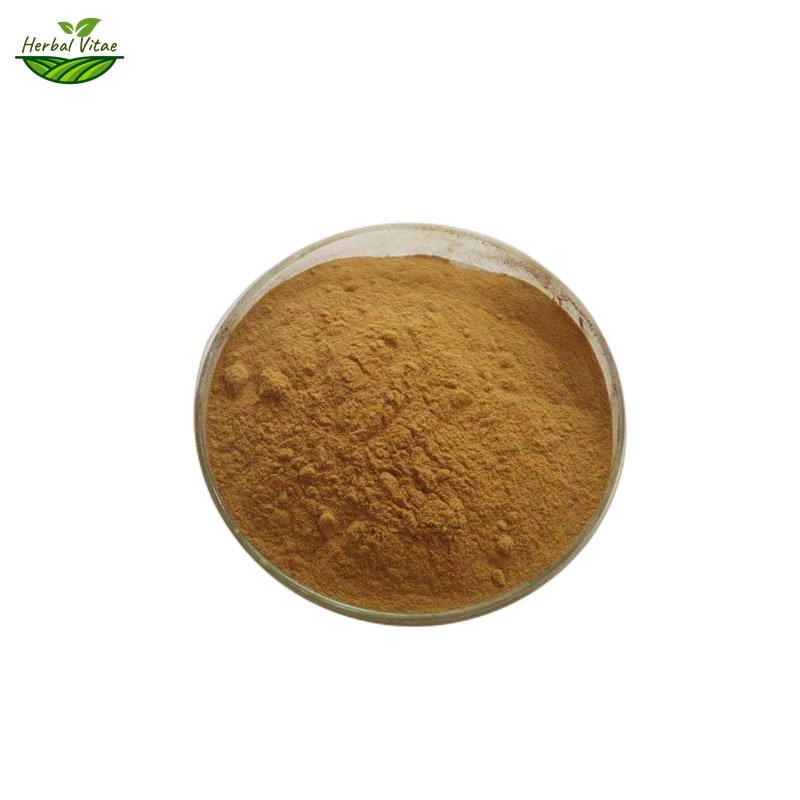
COA REVIEW EXAMPLE 01
Lemon Balm Extract Powder
The product is listed with 10:1 and 20:1 extract ratios. A buyer should confirm the ratio definition, the actual HPLC analyte if reported, and whether a carrier ingredient is present.
Key COA question: Does the reported result measure a defined constituent, or is the document simply repeating the extract ratio?
View Lemon Balm Extract Powder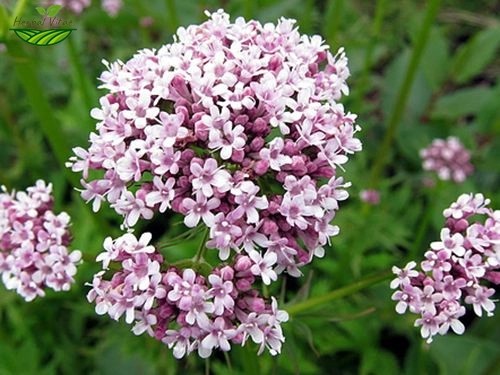
COA REVIEW EXAMPLE 02
Valerian Extract Powder
Valerian ingredients illustrate why chemical names matter. Valeric acid, valerenic acid and total valerenic acids are different analytical descriptions and should not be used interchangeably.
Key COA question: Which exact analyte is measured, and does the stated specification match the laboratory method?
View Valerian Extract PowderCOA REVIEW EXAMPLE 03
Jerusalem Artichoke Inulin Extract
Inulin content may require a different analytical approach from typical small-molecule botanical markers. A buyer should confirm the fructan or inulin definition, method and whether the value is expressed on a dry or as-received basis.
Key COA question: How was the reported inulin percentage determined, and does it match the formulation's ingredient specification?
View Jerusalem Artichoke Extract PowderThese are examples of ingredient-specific review questions. No actual lot-specific COA results for these products are presented or implied.
A Practical COA Review Workflow for Ingredient Purchasing Teams
A structured review helps purchasing, technical and quality teams work from the same evidence before approving botanical ingredients.
STEP 01
Confirm the Material and Lot
Match the botanical identity, product description, batch number and proposed shipment.
STEP 02
Check Each Acceptance Criterion
Compare specification limits with results using consistent units and reporting bases.
STEP 03
Review the Test Methods
Confirm the measured analyte, appropriate analytical method and any important detection-limit information.
STEP 04
Identify Missing Evidence
Request additional laboratory reports, botanical authentication records or clarification where the COA is incomplete.
STEP 05
Make a Documented Approval Decision
Approve, hold for further investigation or reject according to the buyer's quality procedures and applicable requirements.
For U.S. dietary supplement manufacturers, supplier qualification and ingredient identity verification must be considered under the applicable provisions of 21 CFR Part 111. Specific requirements differ for food, cosmetic and pharmaceutical applications and across markets.
Frequently Asked Questions About Botanical Extract COAs
1. What should be included in a botanical extract COA?
A useful COA identifies the relevant material or batch and reports appropriate test parameters, specification limits, actual results and methods. Additional information may be required depending on the ingredient, purchasing agreement and applicable regulations.
2. Is a COA the same as a product specification sheet?
No. A specification defines expected characteristics or acceptance criteria. A batch COA reports results associated with a particular lot and provides evidence for evaluating those criteria.
3. Does an HPLC result prove botanical extract purity?
Not automatically. HPLC measures or identifies selected compounds according to a particular method. It does not establish every aspect of ingredient purity, botanical identity or contaminant control.
4. What does "ND" mean on a heavy metal or pesticide report?
ND generally means "not detected" under the specified method conditions. It does not establish an absolute zero concentration. Buyers should consider the method's detection or reporting limit when comparing the result with the applicable acceptance criterion.
5. Are heavy metal limits the same for every botanical extract?
No. Appropriate limits depend on the material, intended use, destination market and applicable legal or technical standards. A pharmaceutical elemental impurity framework should not be treated as a universal specification for all botanical food ingredients.
6. Does a residual solvent result of "Pass" mean every solvent was tested?
No. The result only addresses the solvents included in the defined test scope. Buyers should confirm which solvents were analyzed and whether the methods and limits are appropriate for the extract and intended application.
7. Can a supplier's COA replace independent ingredient testing?
Not in every situation. The need for independent testing depends on applicable regulations, supplier qualification and the particular quality parameter. For U.S. dietary supplement manufacturing, specific ingredient identity verification requirements apply under 21 CFR Part 111.
8. What should a buyer do if a COA is incomplete?
Request clarification, the relevant analytical method, supporting reports or the correct batch-specific certificate. If a required parameter cannot be verified, the material should remain under the buyer's applicable review or hold procedure until the issue is resolved.
Conclusion: A COA Is Only as Useful as the Evidence Behind It
A botanical extract COA should help a buyer make a documented quality decision. It should not be treated as a formality or accepted solely because the page contains a supplier logo, technical terms and several "Pass" statements.
The most important checks are whether the certificate belongs to the correct batch, whether the declared botanical identity is supported, whether the measured values meet appropriate limits and whether the analytical methods are suitable for the parameters reported.
For international ingredient buyers, the objective is not to collect the greatest number of certificates. It is to obtain accurate, traceable and application-relevant evidence that supports the intended purchasing decision.
Regulatory & Technical References
U.S. Food and Drug Administration. Small Entity Compliance Guide: Current Good Manufacturing Practice for Dietary Supplements. Read FDA guidance.
Electronic Code of Federal Regulations. 21 CFR Part 111 — Dietary Supplement Current Good Manufacturing Practice. View regulation.
International Council for Harmonisation. Q3C(R9) — Guideline for Residual Solvents. View ICH quality guidelines.
European Medicines Agency. ICH Q3D — Elemental Impurities. View EMA guidance.
Regulatory references have different scopes. Pharmaceutical guidance, dietary supplement CGMP requirements and food ingredient standards should not be applied interchangeably without assessing the product and destination market.
Request Botanical Extract Specifications from Herbal Vitae
Herbal Vitae supplies a range of botanical ingredients to international buyers. Our resource page includes entries for a powder COA, material safety information and raw material inspection documentation.
Explore the Herbal Vitae document resources or browse our herbal extract ingredient range.
If you require documentation for a particular ingredient, please identify the botanical species, intended application, specification requirements and purchasing quantity. Product-specific and batch-specific document availability should be confirmed with the sales team.
Request Product Documents & Quote


